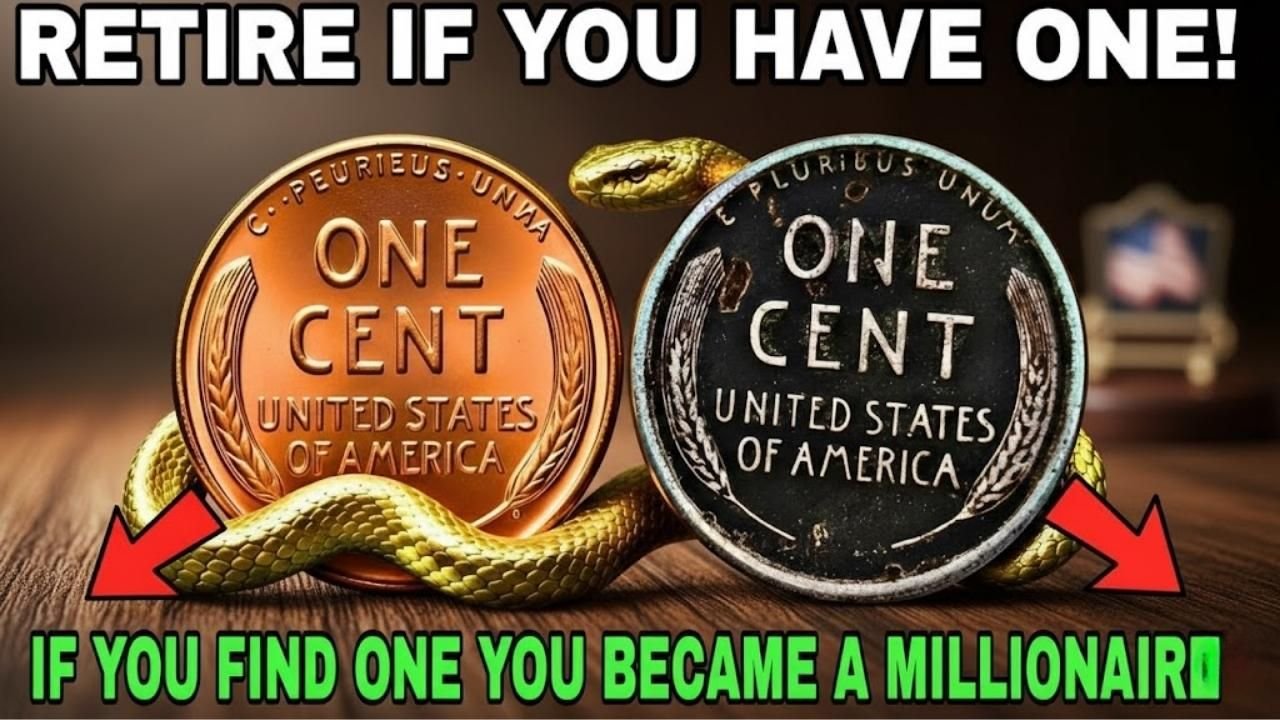
The idea that a single penny could be worth $170 million feels almost unreal, yet the legend of the Lincoln Wheat Penny continues to fascinate collectors, investors, and history enthusiasts alike. In a world where luxury real estate, rare art, and vintage automobiles dominate headlines for record-breaking prices, this humble one-cent coin stands out as a powerful reminder that extraordinary value can sometimes hide in the smallest places.
The $170 million Lincoln Wheat Penny has become one of the most talked-about stories in American numismatics. Whether viewed as fact, rumor, or an exaggerated valuation, its story highlights how rarity, history, and demand can transform an everyday object into a cultural and financial icon.
What Is the Lincoln Wheat Penny
The Lincoln Wheat Penny was first issued in 1909 to commemorate the 100th anniversary of President Abraham Lincoln’s birth. It was a historic release, marking the first time a real person appeared on a circulating United States coin. Designed by Victor David Brenner, the coin featured Lincoln’s portrait on the obverse and two wheat stalks framing the words “One Cent” on the reverse.
This wheat design symbolized prosperity and America’s agricultural roots. The Lincoln Wheat Penny remained in production until 1958, when it was replaced by the Lincoln Memorial design. Over nearly five decades, billions of these pennies were minted, making most examples common and modestly valued today.
Why Some Lincoln Wheat Pennies Are Exceptionally Rare
Although the majority of Lincoln Wheat Pennies are worth only a few cents or a few dollars, certain examples are incredibly rare. Value is influenced by a combination of factors, including year of minting, mint location, metal composition, and striking errors.
Coins produced in limited numbers or under unusual circumstances often command premium prices. When these factors align with strong collector demand and historical significance, values can rise dramatically. The rumored $170 million penny represents the most extreme example of this phenomenon.
The Origins of the $170 Million Valuation
The staggering valuation attached to the $170 million Lincoln Wheat Penny is largely driven by speculation around its uniqueness. One theory suggests that it may have been struck using the wrong metal during a critical period in U.S. history. Such errors are among the most prized in coin collecting.
During times of economic strain or war, the U.S. Mint occasionally altered materials to conserve resources. A penny accidentally struck using an unintended metal, especially if only one example exists, could be considered priceless by elite collectors.
Wartime Minting Errors and Their Impact

World War II plays a central role in many high-value Lincoln Wheat Penny stories. In 1943, the U.S. Mint shifted from copper to zinc-coated steel to preserve copper for the war effort. However, a small number of copper planchets from 1942 were mistakenly used, resulting in the famous 1943 copper pennies.
These coins are already worth hundreds of thousands or even millions of dollars. The $170 million penny is often rumored to be an even rarer variation, possibly featuring a unique alloy, mint mark, or undocumented production error that sets it apart from all known examples.
Fact, Speculation, or Collector Myth
One of the biggest questions surrounding the $170 million Lincoln Wheat Penny is whether such a coin has ever been sold at that price. No confirmed public auction or documented transaction supports the exact figure, leading many experts to view it as a theoretical or speculative valuation.
In the rare coin world, however, private sales are not uncommon. High-net-worth collectors sometimes acquire coins discreetly, keeping details confidential. This lack of transparency fuels ongoing debate and keeps the legend alive, even without public proof.
The Role of Condition and Certification
Condition is a critical factor in determining a coin’s value. Coins with sharp details, minimal wear, and original luster are significantly more valuable than heavily circulated examples. For coins of extreme rarity, even small differences in condition can translate into millions of dollars.
Professional certification is essential. Reputable grading services authenticate coins, assess condition, and verify metal composition. Any Lincoln Wheat Penny approaching a nine-figure valuation would require extensive testing, documentation, and expert consensus to be taken seriously in the market.
Why Stories Like This Matter to Collectors
Legends like the $170 million Lincoln Wheat Penny have a powerful effect on American coin collecting. They inspire people to examine old jars, inherited collections, and forgotten boxes with renewed curiosity. While the chances of finding such a coin are incredibly slim, the excitement keeps the hobby vibrant.
These stories also encourage deeper learning. Many collectors begin by searching for valuable coins and end up developing a strong appreciation for U.S. history, economics, and craftsmanship through numismatics.
Could a Penny Really Be Worth $170 Million
In theory, yes. In practice, it would require an unmatched combination of extreme rarity, historical importance, flawless condition, and intense demand. Other collectibles, including art and vintage automobiles, have reached similar valuations, proving that coins are not exempt from extraordinary price levels.
Whether or not this specific penny exists as described, the concept itself reflects how markets assign value based on scarcity and storytelling as much as physical materials.
Final Thoughts on America’s Most Legendary Penny
The story of the $170 million Lincoln Wheat Penny continues to blur the line between documented history and collector mythology. While most Wheat Pennies remain modest keepsakes, this legend reminds us that even the smallest artifacts can carry immense cultural and financial significance.
Ultimately, the true value of the Lincoln Wheat Penny lies not only in its potential price tag but in its ability to connect people with the past, spark curiosity, and keep the spirit of discovery alive for generations to come.