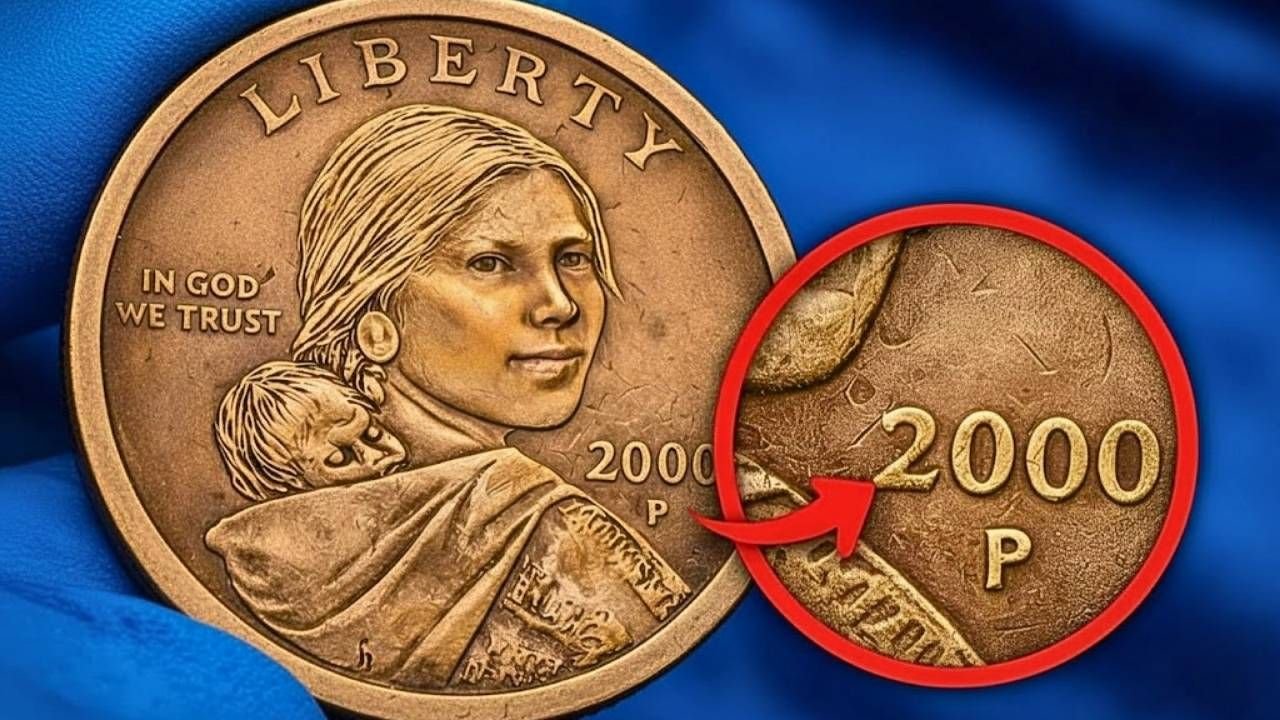
Rare U.S. coins hold a unique place in the world of collectibles because they blend history, craftsmanship, and unexpected value into everyday objects. While most coins pass through countless hands without a second thought, a small number stand apart due to limited production, historical circumstances, or minting errors. These coins remind collectors that extraordinary value can sometimes be found in the most ordinary places, including pocket change, old jars, or inherited collections.
What makes certain U.S. coins truly valuable is not only their age but the story behind their creation. From wartime shortages to minting mistakes and policy shifts, these coins exist because something unusual happened at a specific moment in American history. Below are five rare U.S. coins that have captured the attention of collectors and, in some cases, are worth a small fortune.
What Makes a Coin Exceptionally Valuable
Several factors determine whether a coin is merely old or genuinely rare. Low mintage numbers, unexpected errors, historical importance, and condition all play critical roles. Coins that were heavily circulated or overlooked for decades are especially hard to find today in collectible condition. Professional grading and authentication further influence value, as buyers want certainty when paying premium prices.
Understanding these factors helps explain why some coins have reached astonishing valuations while others remain common despite their age.
1943 Copper Lincoln Wheat Penny
A Wartime Mistake Turned Legend
During World War II, the U.S. Mint switched from copper to steel pennies to conserve metal for the war effort. However, a small number of 1943 pennies were accidentally struck on leftover copper planchets. These coins were never intended to exist, making them one of the most famous minting errors in U.S. history.
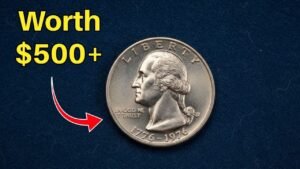
Authentic 1943 copper Lincoln Wheat Pennies are extraordinarily rare. Verified examples have sold for hundreds of thousands of dollars, and their story continues to inspire collectors to check old penny collections carefully. Even heavily worn specimens can command life-changing sums if properly authenticated.
1913 Liberty Head Nickel
One of the Rarest U.S. Coins Ever Made
The 1913 Liberty Head nickel is surrounded by mystery. Officially, Liberty Head nickels were replaced by the Buffalo nickel in 1913, and no Liberty Head nickels were supposed to be produced that year. Yet five examples are known to exist.
These coins are believed to have been struck unofficially and quietly preserved. Each of the five has a documented history and has appeared in museums or major auctions. When one changes hands, it often sells for millions of dollars, making it one of the most valuable coins in the world.
1965 Washington Quarter Struck on Silver Planchet
An Error From a Major Transition Year
In 1965, the U.S. Mint ended the use of 90 percent silver in quarters and moved to a copper-nickel clad composition. During this transition, a small number of quarters were mistakenly struck on leftover silver planchets from 1964.
These error coins look similar to regular quarters but weigh slightly more and have a distinct silver sound. Certified examples are rare and highly sought after, often selling for thousands of dollars. Their value comes from both the error itself and the historical shift away from precious metal coinage.
1972 Doubled Die Lincoln Cent
A Bold Error With Strong Demand
Doubled die errors occur when a coin is struck using a die that has been misaligned during the hubbing process. The 1972 doubled die Lincoln cent is one of the most dramatic examples, with clear doubling visible on the date and lettering.
Because the error is easy to see without magnification, it has become especially popular among collectors. Well-preserved examples can sell for thousands of dollars, proving that even modern-era coins can carry significant value when errors are involved.
1894-S Barber Dime
A Coin With a Legendary Backstory
The 1894-S Barber dime is one of the most famous rarities in American coin collecting. Only 24 were struck at the San Francisco Mint, and the reason for such a small production run remains uncertain. Some believe they were minted as special gifts or for accounting purposes.
Today, only a handful of these dimes are known to exist. When one appears at auction, it can sell for millions, especially in higher grades. Its rarity and mysterious origin have made it one of the most desirable U.S. coins ever produced.
Why Condition Matters More Than You Think
Two coins of the same date and type can have vastly different values depending on condition. Coins with sharp details, minimal wear, and original surfaces are far rarer than heavily circulated examples. Professional grading services assign standardized grades that help buyers and sellers agree on value.
For rare coins, even a small difference in grade can mean a difference of thousands or even millions of dollars. This is why authentication and proper storage are essential for anyone who believes they may have found a valuable coin.
Could You Really Find One in Everyday Change
While the chances are slim, it is not impossible. Many rare coins were discovered years after they entered circulation. Estate sales, inherited collections, and forgotten jars have produced surprising finds. This possibility continues to attract new collectors and keeps interest in numismatics alive.
Careful inspection, basic knowledge, and curiosity are often the first steps toward discovery. Even if a fortune is not found, learning about coins adds historical insight and appreciation for American craftsmanship.
Why Rare U.S. Coins Continue to Fascinate
Rare U.S. coins matter because they tell stories that go beyond money. They reflect moments of change, human error, and national priorities. For collectors, they offer a tangible connection to history and a reminder that value is sometimes hidden in plain sight.
Whether worth thousands or millions, these coins prove that even the smallest objects can carry extraordinary significance when history and rarity come together.