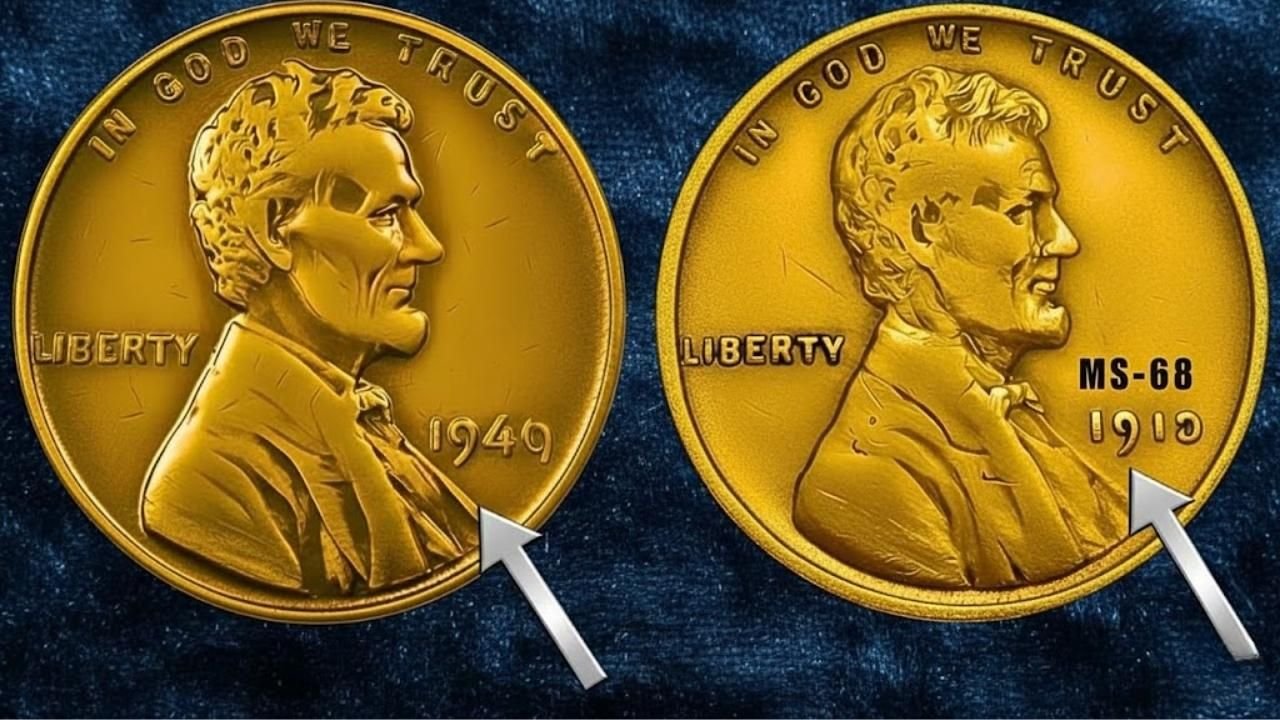
The Lincoln Wheat Penny is one of the most recognizable and beloved coins in U.S. history. First issued in 1909, it marked a turning point in American coinage by featuring a real historical figure on a circulating coin. More than a century later, Wheat Pennies continue to attract collectors worldwide, not only because some are highly valuable, but because each coin reflects a specific chapter of American economic and social history.
For many collectors, Wheat Pennies are the starting point of their numismatic journey. They are accessible, widely studied, and occasionally surprising in value. While most are worth only a few cents, certain dates, mint marks, and errors can be worth hundreds, thousands, or even more.
The History Behind the Lincoln Wheat Penny
The Lincoln Wheat Penny was introduced to commemorate the 100th anniversary of Abraham Lincoln’s birth. Designed by Victor David Brenner, the coin was revolutionary for its time. Before 1909, U.S. coins typically featured symbolic figures rather than real people.
The Wheat Penny remained in circulation until 1958, spanning major historical periods including World War I, the Great Depression, World War II, and the postwar boom. Each era left its mark on production numbers, metal composition, and overall availability, which is why values vary so widely today.
Design and Symbolism
Obverse: Abraham Lincoln
The obverse features a right-facing portrait of Abraham Lincoln, honoring his role in preserving the Union. The design was widely praised for its realism and dignity, setting a new standard for U.S. coin portraits.
Reverse: Wheat Ears
The reverse shows two wheat stalks framing the words “One Cent.” This design symbolized agricultural strength and economic stability, themes that resonated strongly in the early 20th century. The wheat reverse is what gives these coins their popular name.
Wartime Changes and the 1943 Steel Cent
One of the most dramatic changes in Wheat Penny history occurred during World War II. In 1943, copper was needed for military production, so the U.S. Mint switched to zinc-coated steel. These steel cents were lighter in color and magnetic, making them instantly noticeable.
Rare 1943 Copper Pennies
Despite the official change, a small number of 1943 pennies were accidentally struck on leftover copper planchets. These error coins are among the most valuable in U.S. coinage. Authentic examples have sold for hundreds of thousands of dollars, making them legendary among collectors.
Key Dates Every Collector Should Know
Certain Wheat Pennies are known as “key dates” because of low mintage or historical significance. These coins are essential for serious collectors and often command strong premiums.
Most Important Key Dates
- 1909-S VDB: Extremely limited mintage and high demand
- 1909-S (no VDB): Scarce first-year issue
- 1914-D: Low production and heavy circulation
- 1922 No D: Mint error with missing mint mark
- 1931-S: Low mintage during the Great Depression
These coins are valuable even in lower grades, while high-grade examples can reach impressive prices at auction.
Errors and Varieties That Add Value
Mint errors play a major role in Wheat Penny collecting. Because these coins were produced in massive quantities, occasional mistakes slipped through quality control.
Popular Error Types
- Doubled die obverse or reverse
- Off-center strikes
- Wrong metal planchets
- Repunched or missing mint marks
Error coins are especially appealing because they combine rarity with visual interest. Well-documented and certified examples are often the most valuable.
How Condition Affects Price
Condition is one of the most important factors in determining a Wheat Penny’s value. A heavily worn coin may be worth only a small premium, while the same date in mint state condition can be worth many times more.
Grading and Preservation
Professional grading services evaluate coins based on wear, luster, strike quality, and surface preservation. Coins with minimal wear and strong original surfaces are far scarcer than circulated examples, especially for early dates.
Even a one-point difference in grade can significantly affect market value, particularly for key dates and rare varieties.
General Value Ranges in 2026
While exact prices fluctuate, Wheat Penny values generally fall into these broad categories:
- Common dates (circulated): 3 to 10 cents
- Better dates (circulated): $1 to $20
- Key dates (circulated): $50 to several hundred dollars
- High-grade or error coins: $1,000 to six figures
Professional authentication is essential for coins believed to be rare or valuable.
Modern Collecting and Online Markets
The internet has transformed Wheat Penny collecting. Online auctions, collector forums, and digital price guides have made information widely available. This has increased demand for rare examples while also raising awareness of counterfeits.
Collectors today benefit from shared knowledge, but they must also be cautious. Certification from reputable grading services is increasingly important in protecting buyers and sellers.
The Appeal of Everyday Discoveries
Part of the enduring charm of Wheat Pennies is the possibility of discovery. Many valuable coins have been found in inherited collections, estate sales, or long-forgotten jars. While rare finds are uncommon, they continue to fuel public interest.
Even common Wheat Pennies hold sentimental value for many collectors. They connect generations through shared history and curiosity rather than pure financial gain.
Why Lincoln Wheat Pennies Still Matter
Wheat Pennies remain relevant because they are tangible pieces of American history. They reflect changing technology, economic hardship, wartime adaptation, and artistic evolution. Collecting them encourages attention to detail, patience, and historical awareness.
In an era dominated by digital money, holding a century-old coin offers a physical connection to the past that few modern objects can match.
A Lasting Legacy in U.S. Coinage
The Lincoln Wheat Penny is more than an old cent. It represents innovation, continuity, and national identity. Its lasting popularity proves that value is not always obvious and that even the smallest objects can tell powerful stories.
For collectors and history enthusiasts alike, Wheat Pennies continue to offer discovery, education, and a timeless link to America’s past.